Why Your Spindle Keeps Failing (And It’s Not the Rebuild)
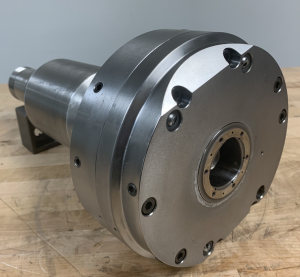
For many maintenance managers, few things are more frustrating than reinstalling a freshly rebuilt spindle—only to see it fail again sooner than expected. The first instinct is often to question the quality of the rebuild. But in reality, repeated spindle failures are rarely caused by the rebuild itself. More often, they are the result of underlying issues within the machine environment, application, or maintenance practices that continue to go unaddressed.
Understanding these root causes is critical. Because if the true problem is not identified and corrected, even the highest-quality rebuild will have a shortened lifespan.
The Hidden Reality Behind Repeat Failures
 A spindle does not operate in isolation. It is part of a larger system that includes tooling, holders, lubrication systems, cooling, machine alignment, and operator practices. When one part of that system is compromised, the spindle becomes the most vulnerable—and most expensive—component to fail.
Repeated failures are typically a symptom, not the root problem. The rebuild may restore the spindle to OEM or better condition, but if it is reinstalled into the same environment that caused the original failure, history will repeat itself.
Contamination: The Silent Killer
One of the most common causes of premature spindle failure is contamination. Coolant, chips, and debris can infiltrate the spindle through worn seals, improper air purge systems, or poor housekeeping practices.
Even microscopic contamination can significantly reduce bearing life. Bearings operate on extremely tight tolerances, and once contamination enters the system, it begins to degrade surfaces, increase friction, and generate heat.
For maintenance managers, this is often an invisible issue—until the spindle starts making noise or overheating again. By that point, the damage is already done.
Improper Tooling and Imbalance
Tooling plays a larger role in spindle health than many realize. Unbalanced tools, worn holders, or improper assembly can introduce vibration into the system. Over time, that vibration transfers directly into the spindle bearings.
This is especially critical at higher RPMs, where even small imbalances are amplified. What might seem like a minor issue at lower speeds can quickly become a major contributor to bearing wear and failure.
Ensuring that tools are properly balanced and holders are in good condition is one of the simplest ways to extend spindle life—but it is also one of the most overlooked.
Heat and Lubrication Issues
Heat is one of the most destructive forces inside a spindle. It is often caused by improper lubrication, excessive speeds, or increased friction from contamination or preload issues.
Whether the spindle uses grease or oil-air lubrication, consistency is key. Too little lubrication leads to metal-on-metal contact. Too much lubrication can cause overheating and churning. Both scenarios reduce bearing life dramatically.
Monitoring temperature trends and ensuring proper lubrication intervals are followed can help prevent these failures before they occur.
Operating Conditions and Application Misuse
Spindles are designed with specific operating parameters in mind. When machines are pushed beyond those limits—whether through aggressive speeds and feeds, heavy cuts, or improper programming—the spindle absorbs the stress.
Over time, this leads to premature wear. In some cases, it can cause catastrophic failure.
Maintenance managers often inherit these issues from production demands. But identifying patterns—such as repeated failures on the same machine or application—can reveal when the spindle is being asked to do more than it was designed for.
The Missing Piece: Preventative Maintenance and Monitoring
Many spindle failures could be p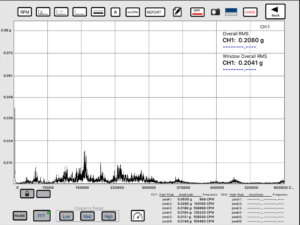 revented with proper monitoring. Vibration analysis, temperature tracking, and routine inspections provide early warning signs long before a failure occurs.
Without this data, maintenance becomes reactive. And reactive maintenance is expensive.
Implementing a preventative maintenance strategy allows maintenance managers to make informed decisions, schedule repairs, and avoid unplanned downtime.
Why Maintenance Managers Trust Motor City Spindle for Their Rebuilds

At Motor City Spindle & Ball Screw, we understand that a rebuild is only part of the solution. Maintenance managers don’t just need a repaired spindle—they need confidence that it will perform reliably once it goes back into production.
That is why every spindle we rebuild goes through a complete process that prioritizes precision, testing, and accountability. From detailed failure analysis to identify the true cause of breakdown, to in-house grinding, bearing installation, and assembly, every step is handled under one roof.
Most importantly, we test every spindle before it leaves our facility. Runout, vibration, temperature, and balance are all verified to ensure the unit meets or exceeds OEM specifications. Because if you can’t test it, you can’t trust it.
We also go beyond the rebuild itself. Our team works with maintenance managers to help identify the root causes of failure—whether that means reviewing application conditions, recommending preventative maintenance practices, or supporting on-site vibration analysis.
With a one-year in-service warranty, fast turnaround times, and a team that understands the real pressures of keeping production running, Motor City Spindle is more than a repair vendor. We are a partner in keeping your machines online and your operation moving forward.
If your spindles are failing more often than they should, the rebuild may not be the problem. The environment is.
And fixing that is where real reliability begins.
CONTACT US ANYTIME IF YOU would LIKE TO CHAT WITH OUR EXPERTS OR STOP BY OUR 25,000 SF MANUFACTURING FACILITY LOCATED IN DEARBORN, MICHIGAN!
(734) 261-8600 OR EMAIL US AT SALES@MOTORCITYREPAIR.COM
Need a FREE ESTIMATE? Click HERE

To view our most recent blog post, click HERE