Diagnosing Common CNC Spindle Failures
Your CNC spindle is the heart of your machining operation. It dictates the precision, speed, and overall quality of your output. When it functions correctly, work flows smoothly. But when it fails, it can bring your entire production line to a halt, leading to costly downtime and missed deadlines. Understanding how to diagnose common spindle failures is the first step toward a quick and effective solution.
This guide will walk you through the key symptoms of a failing CNC spindle. We will cover unusual noises, overheating, excessive vibration, and loss of accuracy. You will learn practical tips to help you identify the root cause of these issues, so you can get your machine back up and running.
The Warning Signs: Common Spindle Failure Symptoms
A failing spindle rarely stops working without warning. It typically provides clues that something is wrong. Paying attention to these signs can help you prevent a catastrophic failure and minimize repair costs.
Unusual Noises
Your machine operators are often the first to notice when a spindle sounds different. A healthy spindle has a consistent, smooth hum. Any deviation from this sound, such as rattling, grinding, or high-pitched whining, signals a potential problem.
- Rattling or Grinding: This often points to bearing contamination or failure. Coolant, cutting fluids, or microscopic debris can work their way into the bearing raceways, causing damage.
- Whining or Screeching: A high-pitched noise may indicate a lack of lubrication or issues with the bearing preload. It can also be a sign of excessive speed or load on the bearings.
- Clunking or Knocking: These louder, more jarring sounds can suggest a severe issue, such as a crashed spindle or major internal component failure.
Overheating
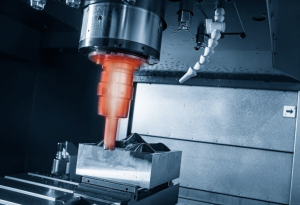 Excessive heat is a clear sign of trouble. While spindles generate some heat during normal operation, a housing that is too hot to touch indicates a serious issue. High temperatures can quickly degrade lubrication and cause permanent damage to bearings and other critical components.
Common causes of overheating include:
- Insufficient Lubrication: The right amount of clean lubricant is essential for reducing friction.
- Bearing Preload Issues: If the preload is too tight, it creates excess friction and heat.
- Cooling System Failure: Many spindles use a liquid or air cooling system. A clog or malfunction in this system will cause temperatures to rise.
You can use an infrared thermometer to monitor your spindle’s temperature. Establishing a baseline temperature during normal operation will help you quickly identify when it’s running too hot.
Excessive Vibration
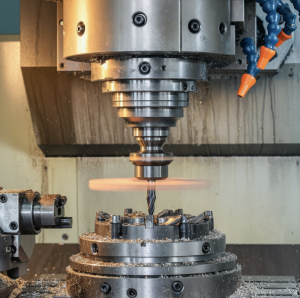 Vibration is another critical indicator of spindle health. While some level of vibration is normal, an increase can point to several problems. Excessive vibration not only affects part quality but also accelerates wear on the spindle and other machine components.
Key causes of vibration include:
- Imbalance: An unbalanced tool holder or spindle shaft can create significant vibration, especially at high RPMs.
- Bearing Damage: Worn or damaged bearings are a primary source of vibration.
- Tooling Issues: Using a worn, chipped, or incorrect tool can lead to imbalance and vibration.
Using vibration analysis equipment can help you pinpoint the source and severity of the issue, allowing for a more targeted repair.
Loss of Precision and Poor Surface Finish
Is your machine struggling to hold tolerances? Are you seeing chatter marks, tool marks, or a poor surface finish on your parts? These are often the direct result of a failing spindle.
When internal spindle components wear, they can introduce runout—an inaccuracy in the spindle’s rotation. Even a tiny amount of runout can make it impossible to produce parts that meet specifications. This can lead to increased scrap rates and wasted materials. This loss of rigidity is often tied to bearing wear or issues with the tool clamping system.
Diagnostic Tips for Your CNC Spindle
When you notice a symptom, a few diagnostic steps can help you narrow down the cause.
- Check the Tooling and Tool Holder: Before assuming the spindle is the problem, inspect your tool and tool holder. Ensure the tool is sharp, the holder is clean, and everything is properly balanced and seated in the spindle taper.
- Inspect the Drawbar: The drawbar provides the clamping force that holds the tool holder. A weak drawbar can cause vibration and poor finish. Check the clamping force to ensure it is within the manufacturer’s specifications.
- Listen and Feel: With the machine off and properly locked out, try to turn the spindle by hand. Does it feel rough? Do you hear any grinding? Is there any play or movement? These can confirm an internal bearing issue.
- Monitor Temperatures: Keep a log of your spindle’s operating temperature. A sudden spike or a gradual increase over time is a clear red flag that requires further investigation.

Minimize Downtime with Motor City Spindle Repair
Diagnosing a spindle issue is only half the battle. Once you’ve identified a problem, you need a partner who can provide a fast, reliable, and expert repair. That’s where Motor City Spindle Repair comes in.

We specialize in repairing and rebuilding CNC spindles from all major brands. Our team of experienced technicians understands the urgency of getting your machine back online. We are committed to minimizing your downtime and restoring your spindle to factory specifications.
Our process includes a comprehensive evaluation to identify the exact cause of failure. We then perform a complete rebuild, replacing all bearings with top-tier components and balancing everything to precise tolerances. Every repaired spindle is rigorously tested back to better-than OEM spec to ensure it performs flawlessly before it leaves our facility.
Don’t let a failing spindle disrupt your operations. If you’re experiencing any of the symptoms discussed here, contact the experts at Motor City Spindle Repair today. Let us help you get back to what you do best: making high-quality parts.

CONTACT US ANYTIME IF YOU would LIKE TO CHAT WITH OUR EXPERTS OR STOP BY OUR 25,000 SF MANUFACTURING FACILITY LOCATED IN DEARBORN, MICHIGAN!
(734) 261-8600 OR EMAIL US AT SALES@MOTORCITYREPAIR.COM
Need a FREE ESTIMATE? Click HERE

To view our most recent blog post, click HERE