The Hidden Cost of “Temporary Fixes” in CNC Spindle Maintenance
In high-pressure production environments, maintenance managers are constantly balancing uptime, staffing realities, budgets, and delivery schedules. When a spindle begins showing early warning signs such as slight vibration, subtle heat growth, or marginal surface finish changes, it can be tempting to apply a temporary fix to keep machines running. In the moment, these short-term solutions often feel justified. Getting through the shift or finishing a critical production run can feel more urgent than pulling a spindle for evaluation. However, what many shops discover too late is that temporary fixes rarely stay temporary. Over time, they quietly accumulate risk, cost, and disruption in ways that far outweigh addressing the issue correctly from the beginning.
Why Temporary Fixes Happen in the First Place
Temporary fixes usually start with practical intentions. Maintenance teams are under constant pressure to maintain throughput, avoid downtime, and support production teams working against tight schedules. Adjusting preload slightly, stretching lubrication intervals, compensating with offsets, or continuing to run worn bearings can feel like reasonable compromises in the moment. These decisions are rarely careless. In most cases, they reflect the reality of managing production demands while trying to maintain equipment stability.
The challenge is that these short-term solutions often become normalized over time. What starts as a one-time workaround quietly turns into standard practice, gradually shifting maintenance culture away from proactive planning and toward reactive response.
The Mechanical Reality Behind Quick Fixes
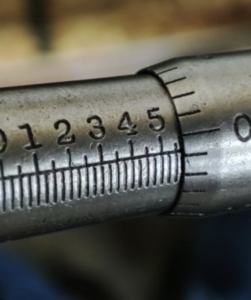
Inside the spindle, temporary fixes almost always accelerate wear rather than stabilize performance. Increased vibration loads amplify stress on rolling elements and races. Heat buildup begins altering clearances and reducing lubrication film effectiveness. Minor runout evolves into measurable part quality variation. These issues rarely escalate suddenly. Instead, they compound gradually, often without immediate visibility until the damage becomes severe.
For maintenance managers, this slow progression can create a false sense of control. Machines may continue producing parts for weeks or months while internal damage accumulates. By the time symptoms become obvious, repair scope and cost have often increased significantly.
When Compensation Hides the Real Problem
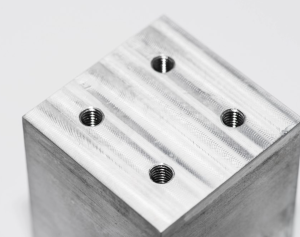
One of the most overlooked risks of temporary fixes is how they mask early failure indicators. When technicians compensate for declining spindle performance through offsets, tooling adjustments, or programming changes, it becomes more difficult to evaluate the spindle’s true condition. Performance drift is disguised rather than resolved.
As a result, early-stage bearing wear that might have been contained becomes widespread mechanical deterioration. Shafts, housings, and drawbar components may eventually show secondary damage. What could have been a controlled and scheduled repair instead turns into an emergency event with greater operational impact.
The True Cost of Delayed Action
Temporary fixes are often viewed as a way to avoid downtime, but they frequently result in longer and more disruptive outages later. Emergency failures rarely occur during convenient windows. They happen during peak production runs, critical delivery timelines, or staffing shortages.
When failure finally occurs, shops face the combined cost of lost throughput, scrapped parts, overtime labor, expedited logistics, and delayed customer commitments. In many cases, the total financial impact far exceeds what a planned spindle rebuild would have required.
The Ripple Effect Across the Shop Floor
Beyond direct costs, temporary fixes often strain maintenance teams and broader operations. Technicians become locked into reactive troubleshooting rather than executing preventative strategies. Equipment across the facility may fall behind on scheduled maintenance while attention is diverted to recurring spindle issues.
This reactive cycle can affect morale and efficiency. Maintenance teams spend more time firefighting than improving long-term reliability, while production teams deal with inconsistent machine performance and unpredictable outcomes.
Moving Toward Predictive Decision Making
For maintenance managers, breaking the cycle begins with earlier intervention. Monitoring vibration trends, thermal growth patterns, and part quality data provides insight into failure progression. Addressing issues during planned downtime windows allows shops to control both cost and scheduling impact.
Shifting toward predictive maintenance also supports greater consistency in machining performance. Instead of reacting to sudden failures, teams can manage spindle life strategically and reduce overall operational disruption.
Why Shops Trust Motor City Spindle Repair
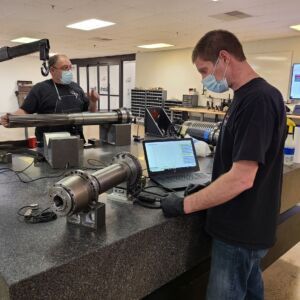
When maintenance managers decide it is time to move beyond temporary fixes, they need a partner who understands both the technical and operational demands of modern manufacturing. Motor City Spindle Repair has built its reputation by helping shops transition from reactive responses to structured, reliable spindle maintenance strategies.
With extensive in-house capabilities including precision grinding, dynamic balancing, and comprehensive performance testing, Motor City focuses on restoring spindles to performance levels that meet or exceed OEM specifications. Just as important, every rebuild undergoes thorough validation to confirm vibration stability, thermal behavior, and overall performance under real-world operating conditions.
Maintenance leaders also trust Motor City because of the consistency and transparency provided throughout the repair process. Detailed inspections, clear reporting, and realistic timelines allow shops to plan confidently and avoid unexpected setbacks. With experience across a wide range of OEM platforms, Motor City delivers solutions designed for long-term reliability rather than short-term relief.
A Strategic Decision for Long-Term Reliability

The hidden cost of temporary fixes lies in their ability to delay necessary decisions while quietly increasing operational risk. For maintenance managers responsible for uptime, cost control, and production consistency, addressing spindle issues early is not just a technical move. It is a strategic one.
By prioritizing proactive maintenance and partnering with a trusted repair provider like Motor City Spindle Repair, shops can reduce unplanned downtime, stabilize machining performance, and avoid the escalating costs that come from waiting too long.

CONTACT US ANYTIME IF YOU would LIKE TO CHAT WITH OUR EXPERTS OR STOP BY OUR 25,000 SF MANUFACTURING FACILITY LOCATED IN DEARBORN, MICHIGAN!
(734) 261-8600 OR EMAIL US AT SALES@MOTORCITYREPAIR.COM
Need a FREE ESTIMATE? Click HERE

To view our most recent blog post, click HERE