


DMG MORI Spindles: What Maintenance Managers Need to Know to Maximize Performance and Minimize Downtime
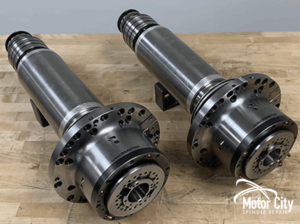 DMG MORI machines have earned a reputation for precision, innovation, and reliability. Found in industries ranging from aerospace and medical manufacturing to automotive and mold making, these machines are designed to handle demanding applications while maintaining tight tolerances and exceptional surface finishes.
At the heart of every DMG MORI machine is one of its most critical components: the spindle.
For maintenance managers, understanding how DMG MORI spindles operate, recognizing the early signs of trouble, and knowing when intervention is necessary can make the difference between a planned repair and an unexpected production shutdown.
Why the Spindle Matters
The spindle is responsible for transferring power from the machine to the cutting tool. It directly influences cutting performance, part quality, cycle times, and machine accuracy.
When a spindle begins to deteriorate, the effects often ripple throughout the entire production process. Surface finishes suffer, tolerances drift, vibration increases, and operators may compensate for issues that continue to worsen over time.
Because DMG MORI machines are often utilized in high-value manufacturing environments, spindle reliability isn’t simply a maintenance concern—it’s a business priority.
Common DMG MORI Spindle Issues
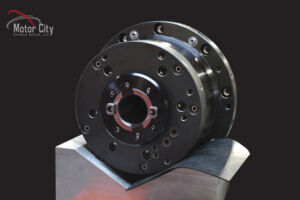 Although DMG MORI spindles are engineered to perform under demanding conditions, they remain subject to wear and operational stress.
One of the most common issues is bearing fatigue. High spindle speeds, heavy cutting loads, and continuous operation eventually take their toll on bearing assemblies. As bearings wear, vibration levels increase and accuracy begins to decline.
Drawbar problems are another frequent concern. Reduced clamping force can lead to tool pullout, poor finishes, chatter, and inconsistent machining performance.
Contamination also poses a significant threat. Coolant intrusion and airborne debris can compromise internal components, accelerating wear and causing premature failure.
Heat-related damage is another issue maintenance teams should monitor closely. Excessive temperatures can impact lubrication performance, alter clearances, and shorten component life.
In many cases, these problems develop gradually before becoming severe enough to stop production altogether.
Warning Signs You Shouldn’t Ignore
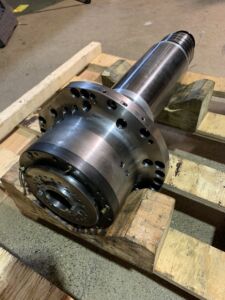
Maintenance managers and operators are often the first to notice subtle changes in machine performance.
Unusual vibration during cutting operations is frequently one of the earliest indicators that something isn’t right.
Changes in spindle noise, including whining, grinding, or rumbling sounds, should never be dismissed as normal aging.
Tool retention issues, inconsistent part finishes, increased runout, and unexplained dimensional variation can also signal spindle deterioration.
Paying attention to these warning signs and addressing them early can significantly reduce repair costs and prevent catastrophic failures.
The Value of Proactive Maintenance

Too often, spindles receive attention only after a breakdown occurs. A proactive maintenance strategy shifts the focus from reacting to failures to identifying developing problems before they impact production. Routine vibration analysis, periodic drawbar force testing, temperature monitoring, and operator feedback can provide valuable insights into spindle health.
Planned maintenance allows facilities to schedule repairs during convenient downtime rather than scrambling to recover from unexpected outages. For busy maintenance departments, that level of predictability can be invaluable.
Why Testing Matters in DMG MORI Spindle Repair
Not all spindle repairs are created equal.
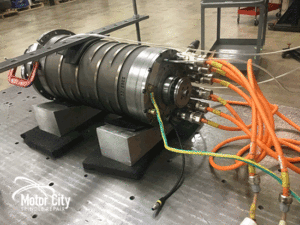
Replacing components without verifying performance introduces unnecessary risk. A spindle that hasn’t been thoroughly tested may still harbor issues that compromise reliability once it returns to production. Comprehensive testing validates that repairs have restored the spindle to proper operating condition.
At Motor City Spindle Repair, every repair is backed by a rigorous testing process that evaluates vibration levels, operating temperatures, balance characteristics, and overall performance.
Our philosophy is simple: If we can’t test it, we won’t rebuild it. Testing provides confidence that your spindle is ready to return to the machine and perform as expected.
Extending the Life of Your DMG MORI Spindles

While no spindle lasts forever, several habits can maximize service life.
Operators should avoid unnecessary crashes and ensure tools are properly balanced for high-speed applications.
Maintenance teams should investigate changes in machine behavior promptly rather than waiting for symptoms to worsen.
Keeping cooling systems functioning properly, monitoring drawbar force, and implementing periodic condition monitoring programs can also help identify concerns early.
The goal isn’t simply to repair spindles when they fail. It’s to create an environment that allows them to operate reliably for as long as possible.
Why Maintenance Managers Trust Motor City Spindle Repair
When a DMG MORI spindle requires attention, experience matters.
Motor City Spindle Repair combines decades of expertise with a commitment to testing, transparency, and customer service. Our team understands the demands placed on modern manufacturing operations and the pressure maintenance managers face to keep production moving.
From detailed evaluations and comprehensive repairs to rigorous testing and a one-year in-service warranty, we focus on delivering solutions that minimize downtime and maximize confidence.
Because at the end of the day, it’s not just about repairing a spindle.
It’s about helping your operation run stronger, longer, and more reliably.
CONTACT US ANYTIME IF YOU would LIKE TO CHAT WITH OUR EXPERTS OR STOP BY OUR 25,000 SF MANUFACTURING FACILITY LOCATED IN DEARBORN, MICHIGAN!
(734) 261-8600 OR EMAIL US AT SALES@MOTORCITYREPAIR.COM
Need a FREE ESTIMATE? Click HERE

To view our most recent blog post, click HERE