The Hidden Impact of Shop Floor Culture on CNC Spindle Lifespan
Why Spindle Failures Don’t Always Start with the Hardware
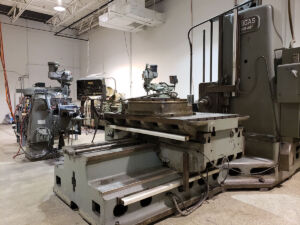
When CNC spindle failures are discussed, the conversation usually centers on bearings, lubrication, contamination, or crashes. While those factors absolutely matter, they rarely tell the full story. In many shops, the true origin of premature spindle failure begins long before any mechanical symptom appears. It begins with habits, routines, communication patterns, and expectations on the shop floor. Culture, not just components, plays a measurable role in determining how long a spindle lasts and how consistently it performs.
Shops that recognize this often see fewer emergency rebuilds, longer service intervals, and more predictable maintenance cycles. Shops that overlook it tend to operate reactively, absorbing downtime and cost that could have been prevented. Understanding how culture influences spindle health is becoming increasingly important as equipment grows more advanced and tolerances continue to tighten.
Operator Habits and Their Long-Term Mechanical Consequences
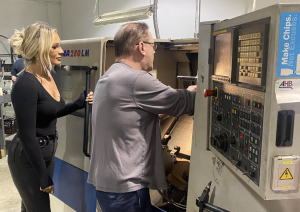 Daily operating behavior has a direct impact on spindle longevity. Warm-up routines are one of the clearest examples. When operators skip or shorten proper warm-up cycles, thermal growth occurs unevenly across the spindle assembly. Over time, this creates unnecessary stress on precision components and accelerates bearing wear. While the damage may not appear immediately, repeated shortcuts compound into measurable degradation.
Tool change practices also play a role. Improper handling, excessive pull-stud wear, or inconsistent torque procedures introduce forces the spindle was never designed to absorb. Even small habits, repeated across shifts and over months, can shorten a spindle’s lifespan significantly. In shops where consistent operating standards are reinforced and understood, spindle reliability tends to improve noticeably.
The Cost of the “Run It Till It Stops” Mindset
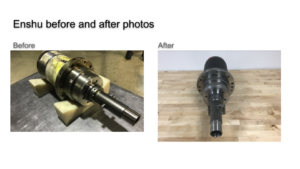 A reactive approach to maintenance remains one of the biggest contributors to spindle downtime. Many shops continue running equipment despite early warning signs such as vibration changes, abnormal noise, or minor temperature fluctuations. This mindset often stems from production pressure or the assumption that intervention can wait.
However, delaying action frequently turns minor issues into major failures. A bearing that could have been addressed during scheduled downtime can instead lead to housing damage, shaft wear, or rotor imbalance. The difference between preventative action and reactive repair is often measured in both cost and lost production hours. Shops that adopt a preventative culture typically experience fewer catastrophic failures and far more predictable budgets.
Communication Gaps Between Shifts
Spindle health also depends heavily on communication. In multi-shift environments, valuable information about machine behavior is often lost between operators. One shift may notice slight vibration changes or inconsistent finishes but fail to document them clearly for the next shift. Over time, missed details accumulate, and the opportunity for early intervention disappears.
Shops that prioritize structured handoffs and clear reporting systems see fewer surprises. Simple changes such as standardized logs, regular maintenance check-ins, and cross-shift accountability can significantly extend spindle life while improving overall machine performance.
Training, Experience, and the Knowledge Gap
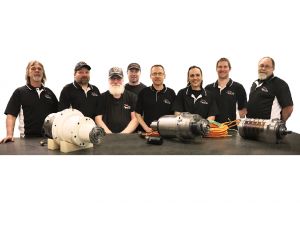 As experienced machinists retire and newer operators enter the workforce, training gaps can emerge that directly affect spindle reliability. Veteran machinists often develop an instinct for detecting subtle machine changes through sound, vibration, or finish quality. Without structured knowledge transfer, that insight can disappear.
Investing in operator education not only improves part quality but also protects equipment. When machinists understand why procedures matter, they are far more likely to follow them consistently. Shops that view training as an operational priority typically see fewer preventable spindle failures.
Building a Culture That Protects Equipment
Creating a culture that supports spindle longevity does not require major operational changes. It begins with leadership setting expectations around preventative maintenance, documentation, and accountability. When teams understand that protecting equipment directly supports productivity, habits begin to shift naturally.
Encouraging operators to report concerns early, reinforcing standardized procedures, and scheduling regular inspections can make a measurable difference. Over time, these practices become part of daily operations rather than additional tasks.
Why Maintenance Managers Trust Motor City Spindle Repair
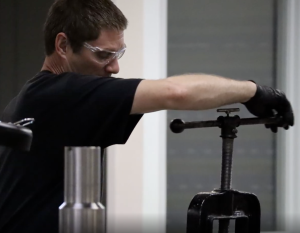 For maintenance managers responsible for uptime, consistency, and cost control, choosing the right spindle partner matters. Motor City Spindle Repair works closely with shops across a wide range of industries, providing rebuilds, diagnostics, and preventative support backed by real-world experience. Our team understands that spindle reliability is shaped not only by engineering but also by the environments in which machines operate.
With advanced testing capabilities, in-house grinding, precision balancing, and detailed inspection processes, Motor City Spindle Repair delivers rebuilds designed for long-term performance. Just as importantly, we share insights gathered from servicing hundreds of spindles across diverse applications. That perspective allows us to help maintenance teams identify patterns, improve preventative strategies, and reduce unplanned downtime.
Maintenance managers trust Motor City Spindle Repair because we focus on more than the repair itself. We focus on helping shops extend spindle life, strengthen reliability, and operate with confidence.
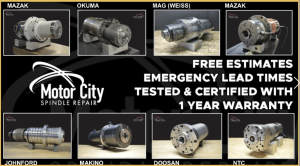
CONTACT US ANYTIME IF YOU would LIKE TO CHAT WITH OUR EXPERTS OR STOP BY OUR 25,000 SF MANUFACTURING FACILITY LOCATED IN DEARBORN, MICHIGAN!
(734) 261-8600 OR EMAIL US AT SALES@MOTORCITYREPAIR.COM
Need a FREE ESTIMATE? Click HERE

To view our most recent blog post, click HERE