The Importance of CNC Spindle Testing in Spindle Repair
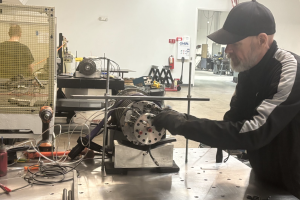 When a CNC spindle fails, most shops focus on getting it repaired and back into production as quickly as possible. While the repair process itself is critical, one of the most important steps in ensuring long-term reliability happens after the rebuild is complete: spindle testing.
Unfortunately, not all spindle repair providers place the same emphasis on testing. Some facilities perform limited inspections before shipping a spindle back to the customer, while others invest significant time and resources into comprehensive testing procedures. For maintenance managers responsible for machine uptime, production schedules, and repair budgets, understanding the value of spindle testing can make a significant difference in equipment reliability and overall operating costs.
A Rebuilt Spindle Is Only as Good as Its Testing Process
 A spindle may look perfect after a rebuild, but appearance alone does not guarantee performance. Internal components such as bearings, shafts, spacers, drawbar systems, and cooling systems must all work together under operating conditions.
Without proper testing, hidden issues may go unnoticed until the spindle is reinstalled in the machine and returned to production. At that point, the shop is once again exposed to downtime, lost production, emergency maintenance costs, and potentially another spindle removal.
Comprehensive testing verifies that the spindle performs exactly as intended before it ever leaves the repair facility.
Testing Confirms Bearing Performance
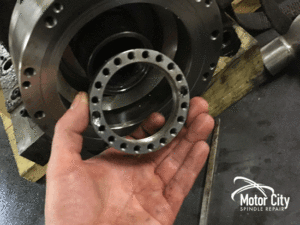
Bearing replacement is one of the most common aspects of spindle repair. However, installing new bearings is only part of the process. Proper preload, lubrication, mounting procedures, and assembly techniques all play critical roles in bearing performance.
During spindle testing, technicians monitor bearing temperatures, vibration levels, and overall operating behavior. This process helps identify issues that may not be visible during assembly but could eventually lead to premature bearing failure.
Testing provides confidence that the spindle’s bearing system is operating correctly and capable of supporting production demands.
Vibration Analysis Identifies Potential Problems Before They Reach the Customer
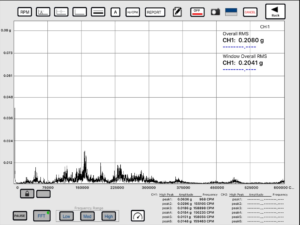 Even the most experienced spindle technician cannot identify every potential issue through visual inspection alone. Vibration analysis allows repair facilities to evaluate spindle performance at a much deeper level.
During testing, vibration data can reveal imbalance conditions, assembly concerns, bearing defects, shaft issues, or other abnormalities that may impact spindle life and machining quality.
By identifying these problems before shipment, repair providers can make necessary corrections and prevent costly failures after installation.
For maintenance managers, this means fewer unexpected breakdowns and greater confidence in the repaired spindle.
Run-In Procedures Help Stabilize New Components
Many spindle rebuilds involve the installation of new bearings and other critical rotating components. These components require a controlled run-in process to reach optimal operating conditions.
A proper run-in gradually increases spindle speeds while monitoring temperatures and vibration levels throughout the process. This allows components to stabilize and helps ensure proper bearing performance.
Without an adequate run-in procedure, a spindle may experience unnecessary stress during its first hours of operation, increasing the risk of premature failure.
Testing ensures the spindle has already undergone this critical process before arriving at the customer’s facility.
Testing Verifies High-Speed Performance
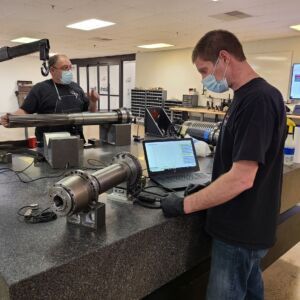
Many machining centers operate at thousands of revolutions per minute. A spindle that appears to run smoothly at low speeds may develop problems when pushed to full operating RPM.
Comprehensive testing evaluates spindle performance across its entire speed range. This allows technicians to confirm proper operation under conditions similar to those encountered during actual production.
By verifying performance at operating speeds, repair facilities can identify and correct issues before the spindle returns to service.
This reduces risk for maintenance managers and helps avoid unpleasant surprises after installation.
Drawbar and Tool Retention Testing Matter
The drawbar system is responsible for maintaining proper tool retention during machining operations. If drawbar force is inadequate, shops may experience poor surface finishes, tool pullout, chatter, or even catastrophic tool failures.
Testing allows technicians to verify drawbar functionality and retention force before the spindle leaves the repair facility.
Ensuring proper tool holding capability is essential for maintaining machining accuracy, protecting tooling investments, and supporting safe operation on the shop floor.
Documentation Provides Accountability

One of the most overlooked benefits of spindle testing is documentation. Reliable repair providers generate testing reports that verify spindle performance before shipment.
These reports often include vibration data, temperature readings, operating speeds, run-in results, and other critical performance metrics.
For maintenance managers, this documentation serves as proof that the spindle was tested and validated before being returned to service.
It also provides a valuable baseline for future condition monitoring and maintenance planning.
The Cost of Skipping Testing
When spindle testing is minimized or skipped entirely, the consequences often appear after the spindle is back in production.
Unexpected failures, excessive vibration, poor surface finishes, elevated temperatures, and shortened spindle life can quickly erase any perceived savings from a lower-cost repair.
The true cost is often measured in machine downtime, missed delivery dates, overtime labor, and lost production opportunities.
Investing in a thoroughly tested spindle is often far less expensive than dealing with another unexpected failure weeks or months later.
Why Maintenance Managers Trust Motor City Spindle Repair
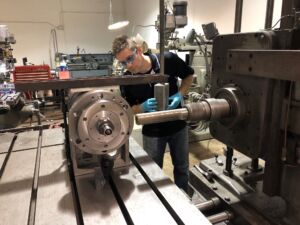
At Motor City Spindle Repair, testing is not an afterthought. It is a critical part of every spindle rebuild process.
Our team understands that maintenance managers need more than a repaired spindle. They need confidence that the spindle will perform reliably when it returns to production. Every spindle undergoes comprehensive testing procedures designed to verify vibration levels, temperature stability, bearing performance, drawbar functionality, and overall operating condition.
Our technicians perform controlled run-in procedures and utilize advanced testing equipment to evaluate spindle performance before shipment. We provide documented results and certifications so customers know exactly how their spindle performed during testing.
Combined with our experienced repair team, in-house grinding capabilities, balancing services, and commitment to quality workmanship, our testing process helps ensure that every spindle leaving our facility is ready for the demands of modern manufacturing.
When uptime matters and production schedules are on the line, maintenance managers across North America trust Motor City Spindle Repair to deliver tested, proven, and reliable spindle repair solutions.
CONTACT US ANYTIME IF YOU would LIKE TO CHAT WITH OUR EXPERTS OR STOP BY OUR 25,000 SF MANUFACTURING FACILITY LOCATED IN DEARBORN, MICHIGAN!
(734) 261-8600 OR EMAIL US AT SALES@MOTORCITYREPAIR.COM
Need a FREE ESTIMATE? Click HERE

To view our most recent blog post, click HERE