What Maintenance Managers Should Know Before Shipping a Spindle for Repair
 When a spindle fails, the pressure to get production moving again can make it tempting to remove the unit, place it in a crate, and ship it out as quickly as possible. However, the steps taken before shipment can significantly affect the accuracy of the repair evaluation, the condition of the spindle when it arrives, and the overall turnaround time.
Maintenance managers can help prevent unnecessary delays and protect the spindle by gathering the right information, documenting the failure, and preparing the unit properly before it leaves the facility.
Document the Symptoms Before Removing the Spindle
Before the spindle is removed from the machine, record exactly what the operator and maintenance team observed. This may include unusual noise, excessive vibration, overheating, poor surface finishes, runout, tool-change problems, coolant leaks, loss of speed, or unexpected alarms.
It is also helpful to document when the problem occurs. A spindle that becomes noisy only at higher speeds may have a different issue than one that produces vibration throughout the entire operating range. Details about recent crashes, tool strikes, overloads, or gradual changes in performance can give the repair facility important direction during the evaluation.
Avoid describing the problem as simply “bad spindle” or “not running.” The more specific the information is, the easier it is for technicians to investigate the likely cause of failure.
Record the Machine and Spindle Information
Maintenance managers should collect the spindle model, serial number, machine manufacturer, machine model, maximum operating speed, taper type, lubrication method, and any available drawings or manuals.
Photographs of the spindle before removal can also be helpful, especially when electrical connections, coolant lines, air lines, sensors, and orientation components are involved. These images provide a reference for reinstallation and may help answer questions during the repair process.
If the spindle has been repaired previously, include any available service records. A history of repeated bearing failures, taper damage, contamination, or drawbar problems may indicate that an issue outside the spindle is contributing to the failures.
Do Not Clean Away Valuable Evidence
A spindle may arrive covered in oil, coolant, residue, or debris, but cleaning it too aggressively before shipment can remove evidence technicians need during the failure analysis.
Contamination patterns, lubricant condition, damaged seals, metal particles, and signs of coolant intrusion can help reveal why the spindle failed. Wiping down the exterior enough to make the unit safe to handle is reasonable, but the spindle should not be disassembled, flushed, pressure-washed, or extensively cleaned unless the repair facility provides specific instructions.
Preserving the spindle’s condition allows technicians to see a more accurate picture of what was happening inside the machine.
Include All Related Components
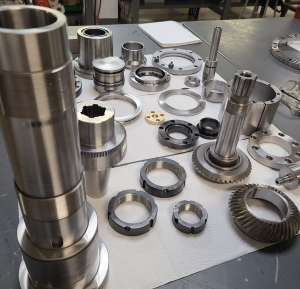 Spindle systems often include components that directly affect their operation. These may include motors, encoders, sensors, drawbar assemblies, rotary unions, pulleys, cooling jackets, bearing lubrication components, and orientation devices.
Removing or withholding these parts can limit the repair facility’s ability to evaluate and test the spindle as a complete assembly. If there is any uncertainty about what should be shipped, contact the repair provider before packaging the unit. Sending the correct components initially is much faster than locating and shipping missing parts after the evaluation has already started.
Any loose components should be labeled and packaged carefully so they cannot move around or damage the spindle during transportation.
Protect Every Opening and Connection
Coolant ports, lubrication ports, air connections, electrical connectors, and exposed internal openings should be capped or covered before shipment. This helps prevent dirt, moisture, packing debris, and other contaminants from entering the spindle.
Electrical connectors require additional protection because bent pins and damaged housings can create new problems unrelated to the original failure. Tapers, shafts, threads, and precision mounting surfaces should also be covered with materials that will not scratch, trap moisture, or leave adhesive residue.
Do not use a spindle’s electrical cables, hoses, or fittings as lifting points. These components are not designed to support the spindle’s weight and can be damaged easily.
Drain Fluids Safely
Any remaining coolant, oil, or other fluid should be drained according to the machine manufacturer’s recommendations and applicable shipping requirements. Residual fluids can leak into the crate, damage packaging materials, contaminate electrical components, and create problems for the carrier.
After draining the spindle, cap the appropriate ports to keep contaminants out. Make sure the repair facility knows what type of lubricant or coolant was used, especially if contamination or lubrication failure may have contributed to the problem.
Use a Properly Designed Shipping Crate
A spindle is a precision assembly, and standard cardboard boxes are rarely adequate. Even a relatively small spindle can shift during transportation and suffer damage to its taper, shaft, connectors, sensors, or mounting surfaces.
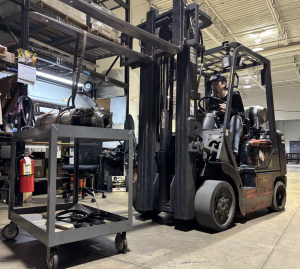
A rigid wooden crate with secure internal supports is the safest option. The spindle should be fastened at strong structural points and prevented from moving in every direction. It should not rest on the taper, drawbar, encoder, connectors, or other sensitive components.
Foam and padding can help protect the unit, but they should not be the only materials holding a heavy spindle in place. The crate must be designed to handle vibration, impacts, forklift movement, and changes in orientation during transit.
Photograph the Spindle and Packaging
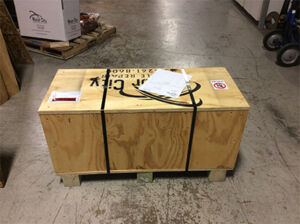 Take clear photographs of the spindle from multiple angles before placing it in the crate. Then photograph the protective coverings, internal supports, mounting points, and completed package before shipment.
This documentation creates a record of the spindle’s condition and how it was secured when it left the facility. If damage occurs in transit, the photographs can support a freight claim and help determine where the damage may have happened.
Record the carrier, tracking or freight number, shipment date, and crate condition as part of the maintenance file.
Provide a Clear Repair Contact
The repair facility should have the name, telephone number, and email address of someone familiar with the spindle failure. This is often the maintenance manager, reliability manager, machine technician, or engineer responsible for the equipment.
Quick access to the right person prevents delays when technicians need additional operating information, approval to proceed, or clarification about the machine’s condition. Purchasing contacts can manage commercial paperwork, but technical questions are usually answered more effectively by someone who witnessed or investigated the failure.
Request a Complete Evaluation and Failure Analysis
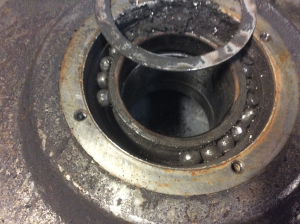
A repair quote should explain more than the cost of replacement parts. Maintenance managers should expect the spindle to be inspected for bearing condition, taper condition, runout, balance, lubrication problems, contamination, seal failure, drawbar performance, electrical issues, and damage to precision components.
A detailed failure analysis helps the maintenance team understand what happened and whether the problem originated inside the spindle or elsewhere in the machine. Without this information, the spindle may be rebuilt successfully but fail again because the original cause was never corrected.
Confirm the Repair and Testing Process

Before authorizing a rebuild, ask how the spindle will be repaired and tested. A professional spindle repair process may include dimensional inspection, precision grinding, component replacement, dynamic balancing, drawbar testing, vibration analysis, temperature monitoring, and controlled run-in testing.
The repair facility should be able to explain whether it has the equipment required to test the spindle under appropriate conditions. Final testing is essential because it verifies that the rebuilt unit can operate correctly before it is returned to production.
Maintenance managers should also confirm the warranty terms, documentation provided, expected turnaround time, and whether expedited service is available.
Prepare the Machine Before the Spindle Returns
The repair process should not end with shipping the spindle out. While it is away, inspect the machine systems that may have contributed to the failure. Check lubrication delivery, chiller performance, coolant condition, air supply, filtration, drive systems, mounting surfaces, electrical connections, and alignment.
Installing a rebuilt spindle into a machine with contaminated lubrication, inadequate cooling, poor air quality, or damaged mating components can quickly compromise the repair. Correcting these conditions before installation helps protect the rebuilt spindle and reduce the risk of repeated downtime.
Why Maintenance Managers Trust Motor City Spindle Repair
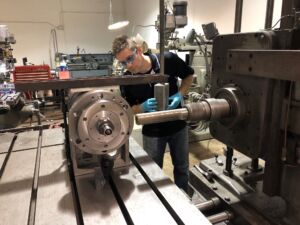
Maintenance managers need more than a replacement bearing and a quick turnaround. They need a repair partner that understands production pressure, communicates clearly, and provides the documentation needed to make better maintenance decisions.
Motor City Spindle Repair performs thorough evaluations to determine the condition of each spindle and identify the likely cause of failure. Every rebuild includes a detailed FAR failure analysis report, giving maintenance teams valuable insight into the damage found and the factors that may have contributed to it.
Our rebuilding process includes precision inspection, repair, balancing, vibration analysis, controlled run-in, and application-specific testing. If we cannot properly test a spindle, we will not rebuild it. This commitment helps ensure that the unit has been verified before it is returned to the customer.
Motor City Spindle Repair also provides a one-year in-service warranty, meaning warranty coverage begins when the spindle is installed rather than simply when it leaves our facility. With experienced technicians, extensive testing capabilities, no evaluation fees, and responsive communication throughout the process, we help maintenance managers make informed decisions and return critical equipment to production with confidence.
Before shipping your spindle, contact Motor City Spindle Repair so our team can help confirm which components should be included and how the unit should be prepared. Proper planning before shipment can protect your spindle, reduce delays, and make the entire repair process more effective.
CONTACT US ANYTIME IF YOU would LIKE TO CHAT WITH OUR EXPERTS OR STOP BY OUR 25,000 SF MANUFACTURING FACILITY LOCATED IN DEARBORN, MICHIGAN!
(734) 261-8600 OR EMAIL US AT SALES@MOTORCITYREPAIR.COM
Need a FREE ESTIMATE? Click HERE

To view our most recent blog post, click HERE