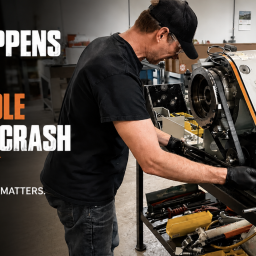
What Happens Inside a Spindle During a Crash (That You Never See)
The damage starts before the machine even stops
 When a spindle crashes, most of the attention goes to what is visible. There is usually a broken tool, a scrapped part, or a loud impact that stops production. However, what happens inside the spindle during that moment is often overlooked. The real damage does not stay on the surface. It occurs within the internal components that are responsible for maintaining precision and performance. This hidden damage is what often leads to larger problems later on.
The instant force spike changes everything
A crash introduces a sudden and extreme force that the spindle was never designed to handle. This force travels through the shaft, bearings, and housing almost instantly. Even if the spindle appears to recover and continue running, the internal structure has already absorbed stress. That stress does not simply disappear. It remains within the components and begins to affect performance over time, often without immediate warning signs.
Bearing damage does not always show up right away
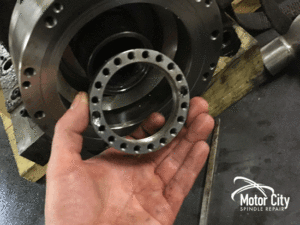
The bearings inside the spindle take the majority of the impact during a crash. In many cases, the rolling elements create microscopic indentations in the bearing raceways, a condition commonly referred to as brinelling. Initially, the spindle may still sound normal and operate within acceptable limits. Over time, however, these small imperfections begin to generate vibration. That vibration leads to increased heat, and the heat accelerates wear. What seemed like a minor incident can eventually result in a major failure that appears unrelated to the original crash.
The shaft can shift without anyone noticing
Spindle shafts are designed for precision and balance, not sudden impact. A crash can cause slight distortion or misalignment in the shaft, even if it is not immediately detectable. This type of internal shift often presents itself later as poor surface finish, inconsistent tool life, or difficulty maintaining tolerances. In many cases, teams begin troubleshooting tooling or programming, when the root cause is actually a compromised spindle.
Preload gets compromised
Bearing preload is critical to spindle performance because it maintains stability and rigidity during operation. A crash can alter that preload, even if only slightly. Small changes in preload can lead to increased vibration, higher operating temperatures, and a loss of overall rigidity. Once preload is affected, the spindle is no longer functioning as originally designed, and this change cannot be identified through visual inspection alone.
Heat damage happens faster than expected
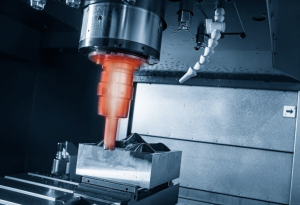 The friction and force generated during a crash can create localized heat inside the spindle. This heat can impact lubrication, bearing surfaces, and seals within a very short period of time. Even after the spindle cools down, the internal damage remains. Lubricants may begin to break down, surfaces may lose their intended finish, and internal clearances can change. These factors all contribute to a shortened lifespan and increased risk of failure.
Contamination becomes a long-term issue
Crashes can also introduce contamination into the spindle without immediate detection. Metal particles, damaged seals, and debris can enter critical internal areas. Once contamination is present, it continues to circulate and cause damage during operation. This ongoing wear is one of the primary reasons spindles fail well after the initial incident has occurred.
Why “it is still running” does not mean it is healthy
One of the most common misconceptions after a crash is that if the spindle continues to run, it must be fine. In reality, internal conditions may have already changed significantly. The spindle may continue producing parts, but underlying damage is progressing. This often leads to unplanned downtime at a later stage, when the failure becomes severe and more costly to repair.
What maintenance managers should do after a crash

After a crash, it is important to take a proactive approach rather than assuming normal operation means no damage occurred. Monitoring changes in sound, vibration, and temperature can provide early warning signs. Surface finish and tool life should also be evaluated closely. Most importantly, scheduling an inspection can help identify internal issues before they escalate. Addressing damage early allows for more controlled maintenance and reduces the risk of unexpected downtime.
Why maintenance managers trust Motor City Spindle Repair
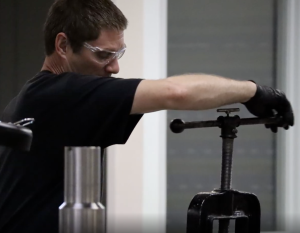 When a spindle experiences an event like a crash, maintenance managers need more than a quick repair. They need a clear understanding of what happened and confidence in the solution. At Motor City Spindle Repair, every spindle is fully inspected and tested to identify not only the failure point, but the root cause behind it. This includes uncovering hidden damage that may not be immediately visible after an incident.
The repair process focuses on precision, using high-quality components and proper assembly techniques to restore performance. Each spindle is balanced and tested before it is returned, ensuring that it meets operational expectations. This approach aligns with a simple standard: if a spindle cannot be properly tested, it should not be rebuilt.
Maintenance managers trust Motor City because the goal is not just to fix the immediate issue, but to help prevent future failures. With accurate diagnostics, thorough testing, and a focus on long-term performance, Motor City provides the reliability needed to keep operations running smoothly.