What Your Spindle’s Surface Finish Is Trying to Tell You
 A CNC machine does not have to stop running to develop a problem. Sometimes the first warning shows up on the part.
Chatter marks, an uneven finish, or a job that suddenly needs extra polishing can signal a change in the machining process. For maintenance managers, those changes are worth investigating before scrap, rework, and downtime begin to add up.
Poor Surface Finish Does Not Always Mean Spindle Failure
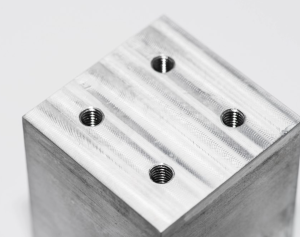
Before scheduling a spindle removal, look at the complete setup. Worn cutting tools, excessive tool overhang, unstable workholding, and cutting parameters can all contribute to vibration and poor finish. Sandvik Coromant identifies the cutting tool, toolholder, machine, workpiece, and fixture as potential sources of milling vibration.
Start by identifying what changed. Did the problem begin after a tool replacement, a new material batch, or a setup adjustment? Does it affect one operation or several? Changing one variable at a time helps your team narrow down the cause and avoid replacing components unnecessarily.
Chatter Marks Deserve a Closer Look
Repeated waves or marks on a machined surface can indicate vibration during cutting. However, the pattern alone does not identify where that vibration originates.
If the problem continues with verified tooling and secure workholding, maintenance should investigate the machine and spindle system. Record the spindle speed, tool, material, and cutting conditions when the marks appear. That information gives technicians a more useful starting point than simply reporting that the machine is leaving a bad finish.
Check the Toolholder and Spindle Taper
 The connection between the spindle and toolholder deserves attention during troubleshooting. Haas notes that a dirty or damaged spindle taper can reduce cutting accuracy and produce an unsatisfactory surface finish. A damaged toolholder can also create runout and finish problems.
Follow the machine manufacturer’s procedures for inspecting and cleaning these surfaces. Have qualified personnel check runout and tool retention against the correct specifications. Visible fretting, damage, or recurring seating problems should be documented and investigated.
Look Beyond the Part
A finish problem becomes more informative when it appears alongside other changes. Ask operators whether they have noticed unusual noise, increased vibration, or different behavior as the machine warms up.
Spindle troubleshooting may also require checking lubrication delivery, drive components, and bearing condition. Haas includes these checks in its spindle troubleshooting guidance and recommends vibration analysis when bearing damage is suspected. Follow the procedures for the specific machine rather than applying a universal temperature or vibration limit.
Give Maintenance Useful Evidence
When a familiar job begins producing inconsistent results, save a sample part and record the conditions. Include photographs of the finish, inspection measurements, relevant alarms, and whether the issue occurs with multiple tools.
That record helps maintenance distinguish a process problem from a mechanical problem. It also helps a repair provider understand what the spindle was doing before it arrived for evaluation.
The goal is to identify the cause early enough to make an informed maintenance decision. Repeatedly adjusting a proven process without understanding what changed can make troubleshooting more difficult.
Why Maintenance Teams Should Trust Motor City Spindle Repair
 Maintenance teams need clear answers about what failed, what needs repair, and how the spindle will be checked before returning to production.
Motor City Spindle Repair offers free spindle evaluations and a detailed Failure Analysis Report to help teams understand the condition of their spindle. In-house machining and grinding capabilities support the rebuild process, while run-in testing checks vibration, balance, runout, and noise before the spindle returns to service.
With a one-year IN-SERVICE warranty, Motor City gives maintenance teams support that extends beyond delivery.
If surface finish problems keep returning after tooling and setup checks, contact Motor City Spindle Repair to discuss an evaluation. Sharing the symptoms and operating conditions helps our team investigate the problem and recommend the next step.
CONTACT US ANYTIME IF YOU would LIKE TO CHAT WITH OUR EXPERTS OR STOP BY OUR 25,000 SF MANUFACTURING FACILITY LOCATED IN DEARBORN, MICHIGAN!
(734) 261-8600 OR EMAIL US AT SALES@MOTORCITYREPAIR.COM
Need a FREE ESTIMATE? Click HERE

To view our most recent blog post, click HERE