Poor Surface Finish on a CNC Machine: Is the Spindle Really the Problem?
 A poor surface finish can be an early sign that something has changed in a CNC machine. The part may show chatter marks, visible tool lines, or an inconsistent finish that was not there before. When production is under pressure, it is tempting to point to the spindle and schedule a rebuild. For maintenance managers, the better first step is to find out when the problem occurs and what else could be causing it.
The spindle may need attention, but tooling, cutting conditions, workholding, and machine alignment can also affect the finished part. A careful diagnosis helps your team avoid unnecessary downtime and gives a repair shop better information if the spindle does need to come out. Haas includes application settings and machine alignment among the checks for unresolved surface finish problems.
Find Out When the Finish Changed
Start with the operator and the parts. Did the problem appear gradually or all at once? Does it happen with every tool, or only during one operation? Is it visible on every part or only after the machine has been running for a while?
Record the tool, holder, material, spindle speed, feed rate, and any recent setup or program changes. These details can reveal a pattern. If the finish changes only with one tool, inspect that tool and holder before assuming there is a spindle problem. If it appears across several tools and operations, the machine deserves a broader inspection.
Check the Toolholder and Spindle Taper
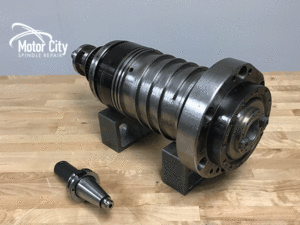
The connection between the toolholder and spindle matters to cutting accuracy. Inspect the holder for damage and check that its contact surfaces and the spindle taper are clean. A damaged toolholder can cause runout and finish problems, while a dirty or damaged taper can reduce accuracy.
If your team measures runout, record where and how the measurement was taken. That makes it easier to compare results later or share useful information with a service technician. Follow the machine builder’s procedure and limits rather than treating one measurement as a complete diagnosis.
Consider the Cut Itself
Chatter marks do not automatically mean the spindle bearings are failing. Tool stickout, the rigidity of the setup, and the selected speeds and feeds can all affect vibration during a cut. Haas notes that excessive tool stickout can contribute to a chattered surface finish and recommends testing cutting parameters as part of troubleshooting.
Maintenance and production teams can work together here. Compare the current setup with a previously successful one and document any adjustment you make. Change one factor at a time when practical so you can tell which change affected the finish.
Know When to Investigate the Spindle
 If the finish problem continues across different tools and cutting conditions, pay closer attention to the spindle. Unusual noise, heat, vibration, or runout may justify further testing. Those symptoms are reasons to investigate, though none proves a specific failure on its own. The appropriate checks depend on the machine and spindle design.
Before removing the spindle, gather the information your repair team will need. Note when the issue began, which operations are affected, and whether the machine has experienced a crash or other event. Keep photos of the affected parts and any measurements your team has taken. This history can help technicians evaluate the spindle and investigate why it failed.
Why the Cause Matters as Much as the Repair
A rebuilt spindle returns a repaired component to the machine. Your maintenance team also needs confidence that the conditions surrounding it have been addressed. If a damaged holder, contaminated taper, or machine issue remains, the surface finish problem may continue after installation.
That is why diagnosing the full system matters. The findings from the machine and the spindle evaluation should inform the work done before production resumes.
Why Maintenance Managers Trust Motor City Spindle Repair
 Motor City Spindle Repair understands that a spindle failure affects schedules, operators, and customers. Our technicians evaluate the spindle, identify damaged components, and explain what is needed for the rebuild. We offer free evaluations and quotes, and our completed repairs are backed by a one-year in-service warranty.
If your machine’s surface finish has changed and you suspect the spindle, send us the symptoms and any measurements your team has collected. We can help you take the next step toward a reliable repair.
sales@motorcityrepair.com | 734-261-8600
CONTACT US ANYTIME IF YOU would LIKE TO CHAT WITH OUR EXPERTS OR STOP BY OUR 25,000 SF MANUFACTURING FACILITY LOCATED IN DEARBORN, MICHIGAN!
(734) 261-8600 OR EMAIL US AT SALES@MOTORCITYREPAIR.COM
Need a FREE ESTIMATE? Click HERE

To view our most recent blog post, click HERE