Keeping Agriculture Moving: Why CNC Machine Reliability Matters
 Agriculture depends on more than the equipment working in the field. It also depends on the manufacturers producing the parts that keep that equipment running. Before a tractor pulls an implement or a combine begins harvesting, manufacturers must produce and assemble components that meet the equipment’s design requirements.
For maintenance managers supporting agricultural equipment production, CNC machine reliability has consequences beyond the shop floor. A machine outage can delay a production order, interrupt assembly, or hold up replacement parts needed by a customer. Keeping machining operations dependable helps support an industry that often works against weather and seasonal deadlines.
The Connection Between CNC Manufacturing and Agriculture
CNC machining supports the production of agricultural equipment by creating finished features on components such as shafts, housings, brackets, and hydraulic parts. Depending on the component, manufacturing may involve turning, milling, drilling, boring, or grinding to achieve the required dimensions and surface finish.
Those requirements matter because agricultural equipment operates under demanding conditions. Components must fit and function as designed while the assembled equipment handles repeated loading, vibration, dirt, and changing weather. Consistent manufacturing helps ensure that mating parts assemble correctly and that critical features meet the drawing requirements.
Production Delays Can Reach Beyond the Factory
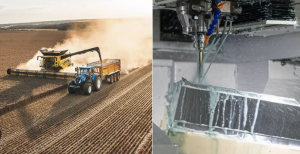 Agricultural equipment manufacturers supply both new equipment and replacement parts. When a CNC machine becomes unavailable, the effect depends on where it sits in the production process and whether another machine can take over the work.
Consider a shop producing a housing needed for a larger assembly. If the machine assigned to that component goes down and there is no qualified alternative, unfinished work can accumulate while assembly waits. A similar interruption on an urgent replacement order can delay getting a needed part to the equipment owner.
For maintenance managers, this makes production context essential. A machine’s importance should be evaluated by the work it supports, the availability of backup capacity, and the consequences of an extended outage.
Spindle Condition Affects Part Quality
 A CNC machine does not have to stop completely to create a production problem. Changes in spindle condition can show up as machining quality issues before an outright failure occurs.
A dirty or damaged spindle taper, for example, can affect cutting accuracy and surface finish. Toolholder damage, bearing problems, and other mechanical issues can also contribute to runout, vibration, or inconsistent results. These symptoms deserve investigation, particularly when operators report a change from the machine’s normal performance.
However, poor finish or chatter does not automatically mean the spindle needs a rebuild. Tooling, workholding, cutting parameters, and other machine conditions can produce similar symptoms. A structured investigation helps maintenance teams identify the actual cause before committing to a repair.
Plan Maintenance Around Production Demands
Maintenance planning is most useful when it reflects the facility’s actual workload. Agricultural equipment production schedules may include seasonal demand, customer delivery commitments, and urgent service parts. Maintenance managers should coordinate with production to identify opportunities for inspections and planned service before critical machines become heavily committed.
Following the machine manufacturer’s maintenance procedures provides the foundation. Keeping relevant lubrication, cooling, and air systems in proper condition, inspecting tooling interfaces, and documenting changes in machine behavior can help teams recognize developing problems.
Useful records include the operating conditions associated with a symptom, recent crashes or alarms, and changes in part quality. Comparing observations under similar conditions makes the information more valuable than an isolated report that a machine sounds different.
A Rebuild Should Support a Reliable Return to Production
 When spindle repair is necessary, replacing damaged components is only part of the job. Maintenance teams also need to understand what the inspection revealed and whether conditions elsewhere on the machine contributed to the failure.
If contamination or a lubrication problem remains unresolved, a rebuilt spindle may return to the same conditions that damaged the original unit. Failure analysis can help guide the checks needed before reinstallation, although the spindle inspection alone may not establish every contributing factor. Rebuilds, Rewinds & Balancing
The return to production should also follow the machine manufacturer’s installation and commissioning requirements. Maintenance, production, and quality teams should coordinate the restart and verify the machining process before releasing normal production.
Why Maintenance Managers Should Trust Motor City Spindle With Their Rebuilds
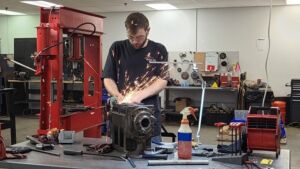 Maintenance managers need a repair partner that helps them understand the failure and provides evidence of the rebuilt spindle’s condition. Motor City Spindle Repair begins its repair process with teardown and inspection and provides a detailed failure analysis with its quotes. This gives maintenance teams information they can use when planning the repair and investigating contributing machine conditions.
Motor City’s capabilities include in-house machining and grinding of spindle components, rebuilding to OEM specifications, and testing and balancing repaired units. Its documented testing procedure includes monitoring bearing temperature and vibration as spindle speed increases, with approval for shipment dependent on readings meeting specification.
Free quotes, emergency repair support, and a one-year warranty provide additional support for maintenance managers managing production pressure. The goal is to return a tested spindle to service while giving the maintenance team a clearer understanding of the repair.
Reliable manufacturing helps keep agricultural equipment production moving. When your facility needs a spindle rebuild, contact Motor City Spindle Repair at (734) 261-8600 or sales@motorcityrepair.com to discuss your unit and repair requirements. Motor City Spindle Repair
CONTACT US ANYTIME IF YOU would LIKE TO CHAT WITH OUR EXPERTS OR STOP BY OUR 25,000 SF MANUFACTURING FACILITY LOCATED IN DEARBORN, MICHIGAN!
(734) 261-8600 OR EMAIL US AT SALES@MOTORCITYREPAIR.COM
Need a FREE ESTIMATE? Click HERE

To view our most recent blog post, click HERE