How CNC Spindle Performance Affects Automotive Part Quality

Aerospace
Automotive
Agriculture
Machine Tool
and many others
Automotive manufacturing leaves little room for inconsistent machining. A part that falls outside tolerance can create scrap, require additional inspection, or interrupt the next operation. When the same problem repeats across a production run, maintenance managers face pressure to find the cause while keeping machines available.
The spindle is one component worth investigating when machining performance changes. It influences how accurately the cutting tool rotates and how consistently the machine performs under load. Recognizing early signs of spindle trouble can help maintenance teams address a developing problem before it becomes an unplanned shutdown.
Small Changes Can Create Expensive Production Problems
A spindle does not have to stop turning to affect production. Problems can begin with a gradual increase in vibration, an unfamiliar sound, or a finish that becomes harder to maintain.
Operators may compensate by reducing cutting speeds, adjusting offsets, or replacing tools more frequently. Those adjustments may keep parts moving temporarily, but they can also hide a developing mechanical issue.
For maintenance managers, a machine that needs repeated adjustments deserves a closer look. Reviewing those changes alongside inspection results and maintenance history can help determine whether the spindle should be part of the investigation.
Spindle Runout Can Affect Machining Accuracy
Spindle runout can contribute to uneven cutting loads, dimensional variation, and inconsistent tool wear. In automotive production, those issues can make it more difficult to maintain repeatable results across long production runs.
However, runout measured at the tool does not automatically mean the spindle needs a rebuild. Toolholders, cutting tools, contamination, and damaged mating surfaces can also contribute to the measurement.
Maintenance teams should approach the issue systematically. Checking the tooling interface and measuring runout at appropriate locations can help narrow down the source before committing to a repair.
Vibration Can Show Up in Surface Finish and Tool Life
 Chatter marks, uneven finishes, and premature tool wear can signal that something has changed in the machining process. Spindle bearing damage, imbalance, or problems with the tooling interface may contribute to those symptoms.
The challenge is that similar symptoms can also come from workholding, tool selection, cutting parameters, or other machine components. Replacing spindle bearings without understanding the cause may leave the original problem unresolved.
Maintenance managers can support a more effective diagnosis by documenting when the vibration occurs. Whether it happens at a particular speed, during a specific cut, or after the machine warms up can provide useful direction for the evaluation.
High Production Demands Make Reliability Essential
Automotive machining often involves repeated cycles and demanding production schedules. Under those conditions, lubrication problems, contamination, cooling issues, and component wear can affect spindle reliability.
A machine may perform acceptably during a short check and develop symptoms after reaching operating temperature. That makes feedback from operators especially valuable. Changes that appear later in a shift or only under certain operating conditions should be included in the maintenance record.
Tracking those patterns gives maintenance managers better information when deciding whether to continue monitoring the machine, schedule an inspection, or arrange spindle removal.
Look Beyond the Cost of the Rebuild

The price of a spindle rebuild is only one part of the financial impact. Scrap, additional tool consumption, slower cycle times, overtime, and production interruptions can all increase the cost of an unresolved problem.
For a maintenance manager, the decision often comes down to whether the machine can continue producing acceptable parts reliably. A spindle that still runs may already be creating costs elsewhere in the operation.
Documenting those costs can help explain the need for planned maintenance. It also gives production and purchasing teams a clearer understanding of why an evaluation may be worthwhile before a complete failure occurs.
Give Your Rebuild Partner the Full Operating History
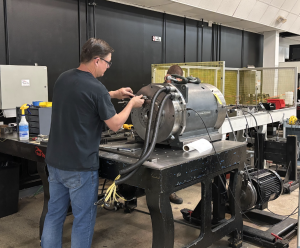 A useful spindle evaluation starts with more than the spindle itself. The symptoms leading up to removal can help guide the inspection and identify contributing conditions.
Maintenance managers should share details about alarms, unusual noise, temperature changes, lubrication concerns, and any recent crash or tooling incident. Information about operating speeds and when part quality began to decline can also help.
Clear communication supports a more informed repair process. It can also help identify machine-side conditions that need attention before the rebuilt spindle is installed.
Plan for the Spindle’s Return to Service
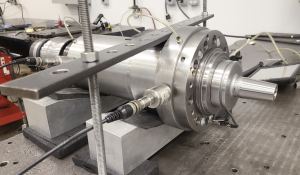 A successful rebuild is one part of getting a machine back into reliable production. Installation conditions also matter.
Before reinstalling the spindle, maintenance teams should check the relevant lubrication, cooling, sealing, and supporting systems according to the machine manufacturer’s procedures. Toolholders and mating surfaces should also be inspected where applicable.
If contamination or a lubrication delivery problem contributed to the original failure, that condition needs to be addressed. Taking the time to investigate those issues helps protect the rebuilt spindle when it returns to service.
Why Maintenance Managers Should Trust Motor City Spindle Repair With Their Rebuilds
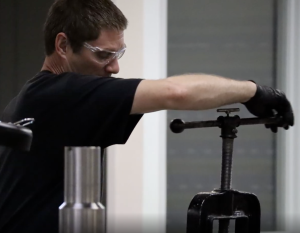 Maintenance managers need a rebuild partner who understands the pressure of having a production machine down. They need clear findings, a defined repair scope, and technicians who look beyond the most obvious damaged component.
At Motor City Spindle Repair, our technicians evaluate spindle condition to determine what the rebuild requires. That means looking beyond replacing bearings and considering the fits, component damage, and other conditions relevant to the repair.
Our rebuild process includes testing appropriate to the spindle, with capabilities such as dynamic balancing, vibration analysis, and test stand run-in. These steps help our team assess spindle performance before it returns to your facility.
We offer free evaluations with no evaluation fees, emergency repair services, and a one-year in-service warranty. Our team works with maintenance managers to explain the findings and help them make an informed repair decision.
If your automotive machining operation is dealing with unusual spindle noise, vibration, declining finish quality, or repeated accuracy concerns, contact Motor City Spindle Repair at sales@motorcityrepair.com. Sharing what changed on the machine is a useful first step toward finding the cause.