Your Spindle Still Runs. Should You Keep Running It?
When a CNC spindle starts sounding different but the machine is still making parts, maintenance managers face a difficult decision. Stopping the machine interrupts production. Continuing to run it could mean taking a chance on a problem that is getting worse.
A spindle does not have to stop rotating to need attention. Changes in noise, temperature, vibration, or machining performance can signal that something needs investigation. The challenge is understanding what those changes mean and deciding what to do before production pressure makes the decision for you.
A Running Spindle Is Not Always a Healthy Spindle
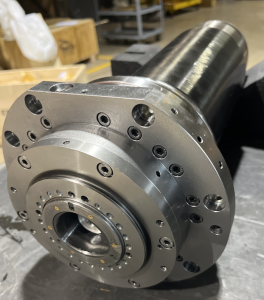 It is easy to judge a spindle by whether the machine can finish the next job. However, continued operation does not confirm that its bearings, lubrication, cooling, or tooling interface are functioning properly.
Some problems develop gradually. Operators may adjust cutting parameters to compensate for chatter or accept a finish that used to look better. Those adjustments can keep parts moving while making a change in machine performance less obvious.
For maintenance managers, the important question is whether the spindle is operating consistently with its normal condition and the machine manufacturer’s requirements. A noticeable change deserves attention even when the machine has not generated an alarm.
Pay Attention to What Changed
An operator who runs the same machine every day may be the first person to notice a different sound or a change in cutting performance. That information is valuable, especially when it includes when the symptom started and what was happening at the time.
A noise that appears during acceleration may provide different clues than a noise that occurs only while cutting. A temperature change after a long production cycle may need a different investigation than heating that begins shortly after startup.
Document the spindle speed, operating conditions, alarms, recent crashes, and any maintenance or tooling changes. Existing vibration and temperature records can also help establish whether the machine’s condition is changing over time. Consistent measurements are more useful than an isolated reading without a baseline.
Not Every Symptom Means the Spindle Needs a Rebuild
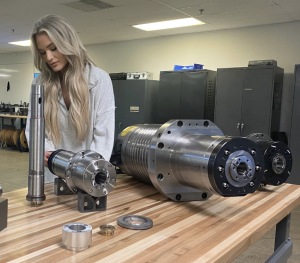 Poor surface finish, chatter, and unusual noise do not automatically identify the spindle as the source. Tool condition, toolholder cleanliness, workholding, cutting parameters, and other machine components can produce similar symptoms.
Before assuming the spindle has failed, maintenance teams should investigate the surrounding process using the machine manufacturer’s procedures. Recent changes are particularly useful to review. If the problem began after a tool change, collision, maintenance task, or new machining program, that history can help guide the investigation.
The goal is to identify the cause accurately. Rebuilding a spindle will not resolve a problem that originates elsewhere in the machine or process.
Continuing to Run Can Change the Repair
When a spindle has an internal mechanical problem, continued operation can sometimes increase the damage. A developing bearing issue, for example, may eventually affect other components as operating conditions deteriorate.
That does not mean every unusual sound leads to a major failure. It does mean that “it still runs” is not enough information to justify continued production.
Maintenance managers should weigh the symptoms, available condition data, manufacturer guidance, and consequences of an unexpected stop. The cost of waiting can include more than the repair itself. Scrap, missed delivery dates, additional troubleshooting, and unplanned removal work can all affect the outcome.
Know When to Stop and Investigate
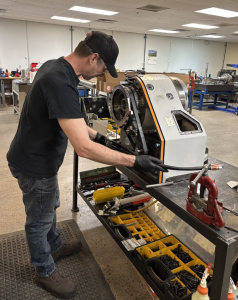 There is no universal noise level or temperature reading that determines whether every CNC spindle is safe to keep running. Spindle designs, speeds, cooling arrangements, and operating limits vary.
A sudden increase in vibration, grinding noise, smoke, rapid heating, or a relevant machine alarm calls for prompt action under the machine manufacturer’s shutdown and inspection procedures. Follow your facility’s safety and lockout procedures before inspecting or servicing the equipment.
For less dramatic changes, arrange a timely assessment. Avoid repeatedly running the spindle simply to see whether the problem goes away, particularly when the symptoms are worsening.
Build a Plan Before the Machine Forces One
 Early investigation gives maintenance managers more room to coordinate with production. Even when the final decision requires a spindle evaluation, gathering information and discussing repair support can begin before an unexpected breakdown.
Confirm the machine model, spindle identification, symptoms, and service history. Determine whether a compatible spare is available and whether its condition has been verified. Discuss who will handle removal, how the spindle will be packaged, and what support will be needed for installation.
A planned response will not eliminate every interruption, but it can reduce the number of decisions your team has to make while a machine is down.
Address the Cause Before Reinstallation
 If a spindle requires repair, understanding the failure is an important part of preparing for its return. Conditions involving lubrication, cooling, contamination, or the tooling interface may need attention before the rebuilt spindle goes back into service.
Share the operating history and observed symptoms with the repair provider. Ask what the inspection found and whether any findings point to conditions that should be checked on the machine.
Repairing the spindle and correcting a contributing machine issue are connected responsibilities. Both matter when the goal is a dependable return to production.
Why Maintenance Managers Should Trust Motor City Spindle Repair
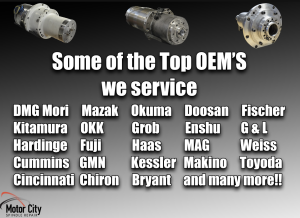 Maintenance managers need clear findings, practical repair options, and a team that understands the pressure of a machine being down. At Motor City Spindle Repair, our process includes teardown, inspection, rebuilding, and testing to help you understand what your spindle needs.
Our free evaluation gives your team a starting point for making an informed repair decision. Failure analysis reports help explain the findings, while our in-house grinding and machining capabilities allow us to address component repair needs within our facility.
We also offer spindle removal and installation services, extending our support beyond the rebuild. Contact our team with your machine and spindle details to discuss the scope of work and coordinate the support your maintenance department needs.
If your spindle is still running but something has changed, start the conversation. You do not need to know exactly what is wrong before contacting Motor City Spindle Repair.
Contact Motor City Spindle Repair at 734-261-8600 to discuss your spindle and arrange a free evaluation.
CONTACT US ANYTIME IF YOU would LIKE TO CHAT WITH OUR EXPERTS OR STOP BY OUR 25,000 SF MANUFACTURING FACILITY LOCATED IN DEARBORN, MICHIGAN!
(734) 261-8600 OR EMAIL US AT SALES@MOTORCITYREPAIR.COM
Need a FREE ESTIMATE? Click HERE

To view our most recent blog post, click HERE