Your Spindle Is Back From Repair. Is Your Machine Ready for It?
When a rebuilt spindle arrives, everyone wants the same thing: to get the machine running again.
For maintenance managers, however, getting back into production involves more than reinstalling the spindle. If a problem at the machine contributed to the original failure, that condition may still be there.
Taking time to inspect the supporting systems and review the repair findings can help protect the rebuild and reduce the risk of another interruption.
Start With the Failure Analysis Report
 Before installation, review the findings from the spindle evaluation. Evidence of contamination, lubrication problems, or mechanical damage can help your team decide what needs further investigation.
A failure report documents the condition of the spindle, but it may not identify every contributing condition at the machine. Share the findings with your installation technician and compare them with alarm history, operator observations, and maintenance records.
The goal is to understand what needs attention before the spindle returns to service.
Verify Lubrication Delivery
For spindles that depend on a machine lubrication system, having oil in the reservoir does not prove that the correct amount is reaching the spindle.
Have qualified personnel verify delivery using the manufacturer’s procedure. Check the specified lubricant and inspect the applicable lines, fittings, and delivery components. Haas, for example, includes an oil collection test at the spindle port in its mill spindle replacement requirements.
Spindle designs differ, so follow the requirements for the actual unit. Do not apply oil, grease, or delivery settings from another machine.
Investigate Contamination Before Reinstallation
If the evaluation found coolant or other contamination inside the spindle, investigate how it may have entered.
Depending on the machine’s design, that inspection may involve coolant connections, rotary unions, drains, seals, or air purge systems. Review the findings with your repair provider and follow the machine manufacturer’s troubleshooting procedures.
Replacing damaged spindle components does not correct a leaking connection or another unresolved condition elsewhere on the machine.
Inspect the Toolholders
The tooling that ran in the spindle before the failure deserves attention, too.
Inspect toolholders for damage, fretting, contamination, and signs of poor contact. Haas notes that damaged toolholders can damage the spindle taper and cause runout or surface finish problems. Reinstalling questionable holders can put a repaired spindle back into an unfavorable operating condition.
Have qualified personnel verify tool retention and tool change operation where applicable. Use the correct specifications for the spindle and tooling system.
Follow the Correct Installation and Startup Procedures
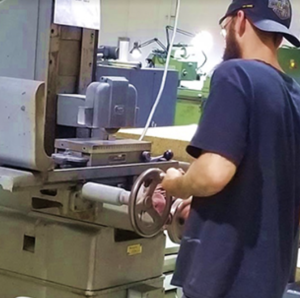 Installation requirements vary by spindle and machine. Alignment, mounting torque, drive components, electrical connections, and supporting systems should be checked according to the applicable service instructions.
Do not assume that a routine warm-up program replaces the required procedure after spindle installation. Haas distinguishes between run-in, warm-up, and break-in programs and requires lubrication verification before running its spindle programs.
Coordinate with your installer and repair provider so everyone understands which checks and startup procedures apply before production begins.
Establish a Baseline Before Releasing the Machine
Document the machine’s condition after installation and the required startup checks. Record relevant vibration measurements, temperatures, runout readings, and test results under known operating conditions.
That information gives your maintenance team a reference for future troubleshooting. Complete the appropriate test cuts and part inspections before releasing the machine to production. Investigate unexpected noise, heat, alarms, or finish problems instead of assuming they will disappear with use.
Why Maintenance Teams Should Trust Motor City Spindle Repair
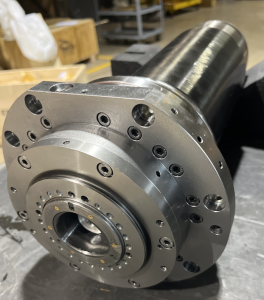 Maintenance teams need more than a repaired spindle. They need useful information about its condition and confidence in the work performed.
Motor City Spindle Repair offers free evaluations and detailed Failure Analysis Reports to document what our team finds during teardown and inspection. Those findings help maintenance teams identify what to investigate at the machine before reinstallation.
Our in-house machining and grinding capabilities support the rebuild process, while run-in testing checks vibration, balance, runout, and noise before the spindle returns to your facility. Our one-year IN-SERVICE warranty provides support beyond delivery.
Before putting a rebuilt spindle back into production, make sure the machine is ready to support it. Contact Motor City Spindle Repair to discuss your spindle’s findings and the questions your maintenance team should address before installation.
CONTACT US ANYTIME IF YOU would LIKE TO CHAT WITH OUR EXPERTS OR STOP BY OUR 25,000 SF MANUFACTURING FACILITY LOCATED IN DEARBORN, MICHIGAN!
(734) 261-8600 OR EMAIL US AT SALES@MOTORCITYREPAIR.COM
Need a FREE ESTIMATE? Click HERE

To view our most recent blog post, click HERE