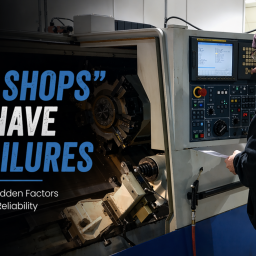
Your CNC Spindle Still Runs—But Is It Costing You Money?
A spindle does not have to stop turning to create problems on the shop floor. Sometimes, the cost shows up in scrapped parts, shorter tool life, or extra time spent adjusting a process that used to run consistently.
When a machine is still making parts, it can be tempting to keep running and deal with the spindle later. But if performance is declining, that decision could be adding costs to every shift.
For maintenance managers, recognizing those changes early can help turn an unexpected breakdown into a repair that can be planned.
Poor Surface Finish Can Mean More Than a Tooling Issue
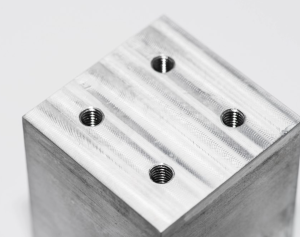
When surface finish starts to change, tooling and cutting parameters are often the first things a shop checks. Those are reasonable places to start, but the spindle should also be considered when the problem keeps coming back.
Spindle vibration, runout, or bearing damage can contribute to inconsistent finishes. Operators may spend time changing inserts, reducing feeds, or adjusting speeds to compensate. Those adjustments might help temporarily without addressing the underlying problem.
Surface finish alone does not confirm a spindle issue. However, a recurring change under otherwise consistent conditions deserves a closer look.
Shorter Tool Life Can Add Up Quickly
Cutting tools are an expected production expense. Replacing them more frequently than normal is a cost worth investigating.
A spindle that is not holding or rotating the tool properly can contribute to uneven cutting loads and premature tool wear. The result may be more tool changes, additional setup time, and less predictable production.
Tool life can also be affected by workholding, material, coolant, and cutting conditions. Comparing current performance with the machine’s normal results can help determine whether the spindle needs to be evaluated.
Slower Cycle Times Can Hide the Cost of Declining Performance
Sometimes, a spindle problem does not immediately create scrap. Instead, the machine gradually becomes less productive.
An operator may reduce cutting speeds to control vibration or take lighter passes to maintain an acceptable finish. The parts may still pass inspection, but each one takes longer to produce.
Across a full production schedule, those extra minutes can reduce available machine capacity and make delivery commitments harder to meet. If a process only works after repeated adjustments, it is worth asking what changed.
Changes in Noise, Vibration, or Temperature Deserve Attention

Maintenance teams get to know how their equipment normally sounds and operates. A new noise, increased vibration, or an unusual temperature trend can provide an early indication that something needs attention.
These changes do not all point to the same cause. Tool balance, lubrication, cooling, drive components, and spindle condition can each play a role. That is why documenting when a symptom appears is useful.
Knowing whether a problem occurs during warmup, at a particular speed, or only under cutting load gives the team a better starting point for troubleshooting. Continuing to run without investigating may allow an existing problem to become more extensive.
Scrap and Rework Affect More Than Material Costs
A rejected part represents more than the material that went into it. It also includes machine time, labor, tooling, and inspection.
When inconsistent spindle performance contributes to a quality issue, the cost can extend beyond the machine itself. Operators may need to stop and check parts more often. Quality teams may spend additional time investigating variation. Production schedules may need to shift to replace rejected work.
Identifying the source of that inconsistency helps the shop make a repair decision based on the full production impact.
Planning an Evaluation Gives Maintenance Managers More Options
 Waiting until a spindle fails can leave a maintenance team with fewer choices. The machine is down, production needs answers, and the repair becomes urgent.
Investigating a developing issue gives maintenance managers an opportunity to coordinate an evaluation, review repair options, and consider a spare spindle or exchange unit where available. It also creates time to work with production on scheduling.
Not every symptom requires an immediate rebuild. The goal is to understand the condition of the spindle and make an informed decision about what happens next.
A Successful Repair Starts With Understanding the Cause
Replacing damaged components is only part of a spindle rebuild. Understanding why those components failed matters, too.
Lubrication problems, contamination, cooling issues, and operating conditions can contribute to spindle damage. If a contributing problem remains on the machine, a rebuilt spindle may be exposed to the same conditions after installation.
A thorough evaluation helps establish what needs to be repaired and what else may need attention. Clear communication between the repair provider and the maintenance team supports a more reliable return to production.
Why Maintenance Managers Should Trust Motor City Spindle Repair
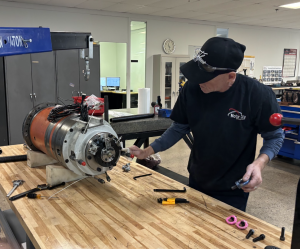 Maintenance managers need a repair partner who understands how much is riding on a spindle rebuild. They need a clear explanation of the damage, a repair scope they can review, and communication that helps them plan.
At Motor City Spindle Repair, our technicians inspect spindle components to determine what the rebuild requires. We offer free evaluations with no evaluation fees, giving maintenance teams a way to understand the condition of their spindle before approving the work.
Our rebuild process includes testing appropriate to the spindle’s configuration and operating requirements. Run-in testing, dynamic balancing, and vibration analysis help our team assess performance before the spindle returns to your facility.
We also offer emergency repair services and a one-year in-service warranty. Whether you are dealing with a spindle that has already failed or one that is starting to lose performance, our team can help you understand the next step.
If your spindle is still running but your results are changing, contact Motor City Spindle Repair for a free evaluation. Finding out what is happening today can help you make a better repair decision for tomorrow.
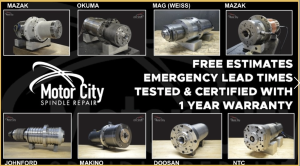
CONTACT US ANYTIME IF YOU would LIKE TO CHAT WITH OUR EXPERTS OR STOP BY OUR 25,000 SF MANUFACTURING FACILITY LOCATED IN DEARBORN, MICHIGAN!
(734) 261-8600 OR EMAIL US AT SALES@MOTORCITYREPAIR.COM
Need a FREE ESTIMATE? Click HERE

To view our most recent blog post, click HERE