The Daily Habits That Extend CNC Spindle Life
 For maintenance managers, CNC spindles are among the most critical and expensive components on the shop floor. A healthy spindle supports productivity, maintains part quality, and helps prevent costly downtime. While spindle failures are often blamed on age or production demands, the reality is that many spindle problems develop gradually due to everyday operating habits.
The good news is that extending spindle life does not always require major investments. In many cases, small daily practices can significantly improve reliability, reduce unexpected failures, and maximize the return on your equipment investment. Understanding and implementing these habits can help maintenance teams keep machines running longer and performing at their best.
Start Every Day with Proper Warm-Up Procedures
One of the most overlooked factors affecting spindle life is the machine warm-up process. CNC spindles operate with extremely tight tolerances, and sudden temperature changes can place unnecessary stress on bearings and internal components.
When a spindle is started cold and immediately pushed into heavy production, thermal expansion occurs rapidly and unevenly. Over time, this can contribute to premature bearing wear, reduced accuracy, and increased vibration levels.
Maintenance managers should ensure operators follow the manufacturer’s recommended warm-up procedure at the beginning of each shift, especially after weekends, holidays, or extended machine downtime. A few minutes spent warming up the spindle can help prevent thousands of dollars in repair costs later.
Pay Attention to Unusual Sounds and Vibration
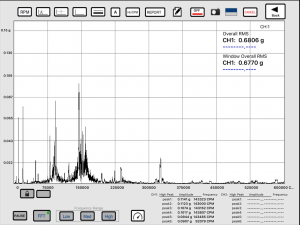 Spindles rarely fail without warning. In many cases, there are subtle indicators long before a catastrophic breakdown occurs. Unusual noise, increased vibration, changes in surface finish quality, or elevated operating temperatures often signal developing issues.
Encouraging operators and maintenance personnel to report abnormalities immediately can make a significant difference. Catching a problem early may allow a spindle to be repaired before major internal damage occurs.
Daily awareness is one of the most effective tools for protecting spindle health. When something sounds different, feels different, or performs differently, it is worth investigating before the issue escalates.
Keep Toolholders and Tapers Clean
Contamination is a major contributor to spindle wear. Dirt, chips, coolant residue, and debris can become trapped between the spindle taper and toolholder, creating runout issues and placing additional stress on bearings.
A simple daily cleaning routine can help prevent these problems. Operators should inspect and clean both the spindle taper and toolholders regularly to ensure proper contact and alignment.
Maintaining clean tooling interfaces not only protects the spindle but also improves machining accuracy, tool life, and overall machine performance.
Monitor Spindle Temperature Trends
Temperature is one of the clearest indicators of spindle health. While operating temperatures vary depending on machine type and application, significant changes should never be ignored.
Maintenance teams should establish baseline operating temperatures for critical machines and monitor for unusual increases. Elevated temperatures can indicate lubrication problems, bearing wear, contamination, or excessive loading.
Tracking temperature trends over time provides valuable insight into spindle condition and often allows maintenance teams to identify developing problems before they lead to downtime.
Ensure Proper Lubrication Systems Are Functioning
Lubrication plays a critical role in spindle longevity. Bearings depend on proper lubrication to minimize friction, reduce heat, and protect against wear.
Daily inspections of lubrication systems can help identify issues such as clogged lines, low lubricant levels, leaks, or system malfunctions. Even a short period of inadequate lubrication can cause significant bearing damage.
Maintenance managers should verify that lubrication systems are operating correctly and that recommended lubricants are being used according to manufacturer specifications.
Avoid Excessive Tooling and Cutting Loads
While modern CNC spindles are designed to handle demanding applications, consistently operating outside recommended limits can shorten spindle life.
Aggressive cutting parameters, excessive tool overhang, unbalanced tooling, and improper tool selection can all increase spindle loading. These conditions generate additional vibration and stress that accelerate wear on bearings and internal components.
Working closely with production teams to ensure tooling and machining strategies align with machine capabilities can significantly improve spindle longevity.
Make Spindle Health Monitoring Part of the Routine
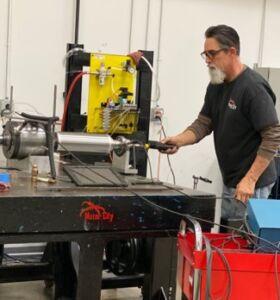
The most successful maintenance programs treat spindle health as an ongoing process rather than a reaction to failure.
Regular vibration analysis, performance monitoring, and preventative inspections help identify issues before they become costly emergencies. Establishing a routine monitoring program allows maintenance managers to make informed decisions regarding repairs, rebuilds, and replacement schedules.
By proactively evaluating spindle condition, facilities can reduce unplanned downtime and improve overall equipment reliability.
Why Maintenance Managers Trust Motor City Spindle Repair
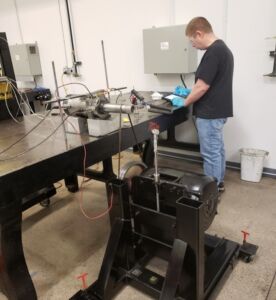 At Motor City Spindle Repair, we understand that spindle reliability directly impacts production, profitability, and customer delivery schedules. That is why we focus on more than simply repairing spindles—we focus on restoring confidence in your equipment.
Every spindle that enters our facility undergoes a comprehensive evaluation to identify the root cause of failure. Our experienced technicians rebuild spindles to OEM specifications or better, using high-quality components and proven repair processes.
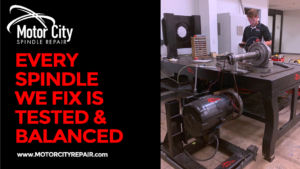
What truly separates Motor City Spindle Repair is our commitment to testing. Every repair is thoroughly run-in, balanced, tested, and certified before it leaves our facility. We believe that if a spindle cannot be properly tested, it should not be rebuilt.
Maintenance managers across North America trust Motor City Spindle Repair because of our extensive testing capabilities, experienced technicians, responsive customer service, and commitment to long-term reliability. Our work is backed by a one-year in-service warranty that begins when the spindle is reinstalled into your machine, providing additional confidence that the repair was done right.
When spindle reliability matters, trust the team dedicated to keeping your machines running and your production schedule on track.
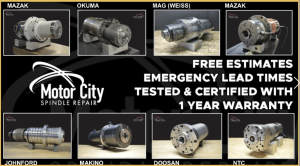
CONTACT US ANYTIME IF YOU would LIKE TO CHAT WITH OUR EXPERTS OR STOP BY OUR 25,000 SF MANUFACTURING FACILITY LOCATED IN DEARBORN, MICHIGAN!
(734) 261-8600 OR EMAIL US AT SALES@MOTORCITYREPAIR.COM
Need a FREE ESTIMATE? Click HERE

To view our most recent blog post, click HERE