Why Cheap Repairs End Up Being More Expensive
A Reality Maintenance Managers See Every Day
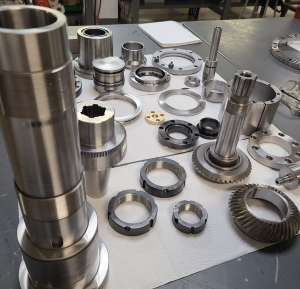 In manufacturing, cost control is part of the job. Maintenance managers are constantly balancing uptime, budgets, and production demands. On paper, choosing the lowest-cost repair option can feel like a win. It keeps spending down in the short term and gets a machine back online quickly. But in practice, cheap repairs often come with hidden costs that show up later—and they rarely show up quietly.
What starts as a small saving can quickly turn into extended downtime, repeat failures, and larger repair bills. Over time, those “budget-friendly” decisions can cost significantly more than doing the job right the first time.
The Illusion of Savings
Cheap repairs create the illusion of efficiency. A lower upfront quote looks appealing, especially when production is waiting and every hour matters. But the price of a repair does not reflect its quality, and it certainly does not guarantee its longevity.
In many cases, lower-cost repairs cut corners where it matters most. This can include using lower-grade components, skipping critical inspection steps, or failing to fully address the root cause of failure. The spindle may run again, but it is not truly restored to reliable operating condition. For maintenance managers, this creates a false sense of resolution while the underlying issue continues to develop.
Downtime Is the Real Cost Driver

For most shops, downtime is far more expensive than the repair itself. When a spindle fails again shortly after a quick fix, the cost is not just another repair invoice. It is lost production, missed deadlines, and pressure on the entire operation.
Unplanned downtime disrupts schedules, impacts customer relationships, and forces teams into reactive mode. Even a short interruption can create a ripple effect across multiple jobs. When cheap repairs lead to repeat failures, those disruptions become more frequent and more costly.
From a maintenance perspective, reliability is the goal. A repair that does not hold undermines that goal and introduces more risk into an already demanding environment.
Repeat Failures and Compounding Damage
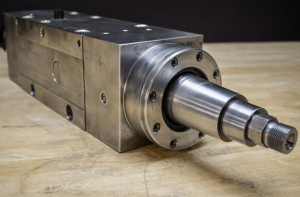 One of the biggest risks with low-quality repairs is that they often fail to address the original cause of the problem. Instead of correcting issues such as improper preload, contamination, or misalignment, the repair may only treat the symptoms.
When a spindle is put back into operation without resolving these underlying factors, the damage does not stop. It continues to progress, often at an accelerated rate. What could have been a straightforward rebuild can turn into a much larger failure involving additional components, more extensive damage, and higher costs.
For maintenance managers, this creates a frustrating cycle. The same asset requires attention again and again, pulling resources away from other priorities and increasing overall maintenance spend.
Shortcuts That Compromise Performance
Precision components like spindles require precision work. Small deviations in assembly, balancing, or component quality can have a significant impact on performance. Cheap repairs often involve shortcuts in these critical areas.
Improper balancing can lead to vibration issues. Lower-quality bearings may not withstand the demands of high-speed machining. Inadequate testing can allow problems to go unnoticed until the spindle is back in production.
The result is not just a shorter lifespan. It can also affect part quality, surface finish, and overall machine performance. These issues may not be immediately obvious, but they can erode efficiency and increase scrap over time.
The Long-Term Impact on Your Operation
Maintenance decisions do not exist in isolation. Each repair choice contributes to the overall health and reliability of your equipment. When cheap repairs become the norm, they introduce instability into the operation.
Frequent breakdowns lead to reactive maintenance strategies. Teams spend more time responding to issues instead of preventing them. Planning becomes more difficult, and confidence in equipment performance decreases.
Over time, this affects more than just maintenance budgets. It impacts productivity, team morale, and the ability to meet customer expectations. For maintenance managers, the goal is to create a stable and predictable environment. Consistent, high-quality repairs are a key part of achieving that.
Why Maintenance Managers Trust Motor City Spindle Repair
 When it comes to spindle repair, doing it right the first time matters. Maintenance managers trust Motor City Spindle Repair because the focus is not just on getting a spindle running again, but on restoring it to reliable, long-term performance.
Every repair is approached with a full understanding of how critical that spindle is to your operation. That means thorough inspection, identifying the true root cause of failure, and using high-quality components designed to perform under real production conditions. There are no shortcuts when it comes to precision, balancing, or testing.
The goal is to reduce repeat failures, minimize downtime, and give maintenance teams confidence in their equipment. Instead of reacting to the same issue multiple times, you can move forward knowing the repair was done to last.
For maintenance managers, the difference is clear. Investing in quality repairs is not just about fixing a problem. It is about protecting uptime, controlling long-term costs, and keeping your operation running at its best.
CONTACT US ANYTIME IF YOU would LIKE TO CHAT WITH OUR EXPERTS OR STOP BY OUR 25,000 SF MANUFACTURING FACILITY LOCATED IN DEARBORN, MICHIGAN!
(734) 261-8600 OR EMAIL US AT SALES@MOTORCITYREPAIR.COM
Need a FREE ESTIMATE? Click HERE

To view our most recent blog post, click HERE